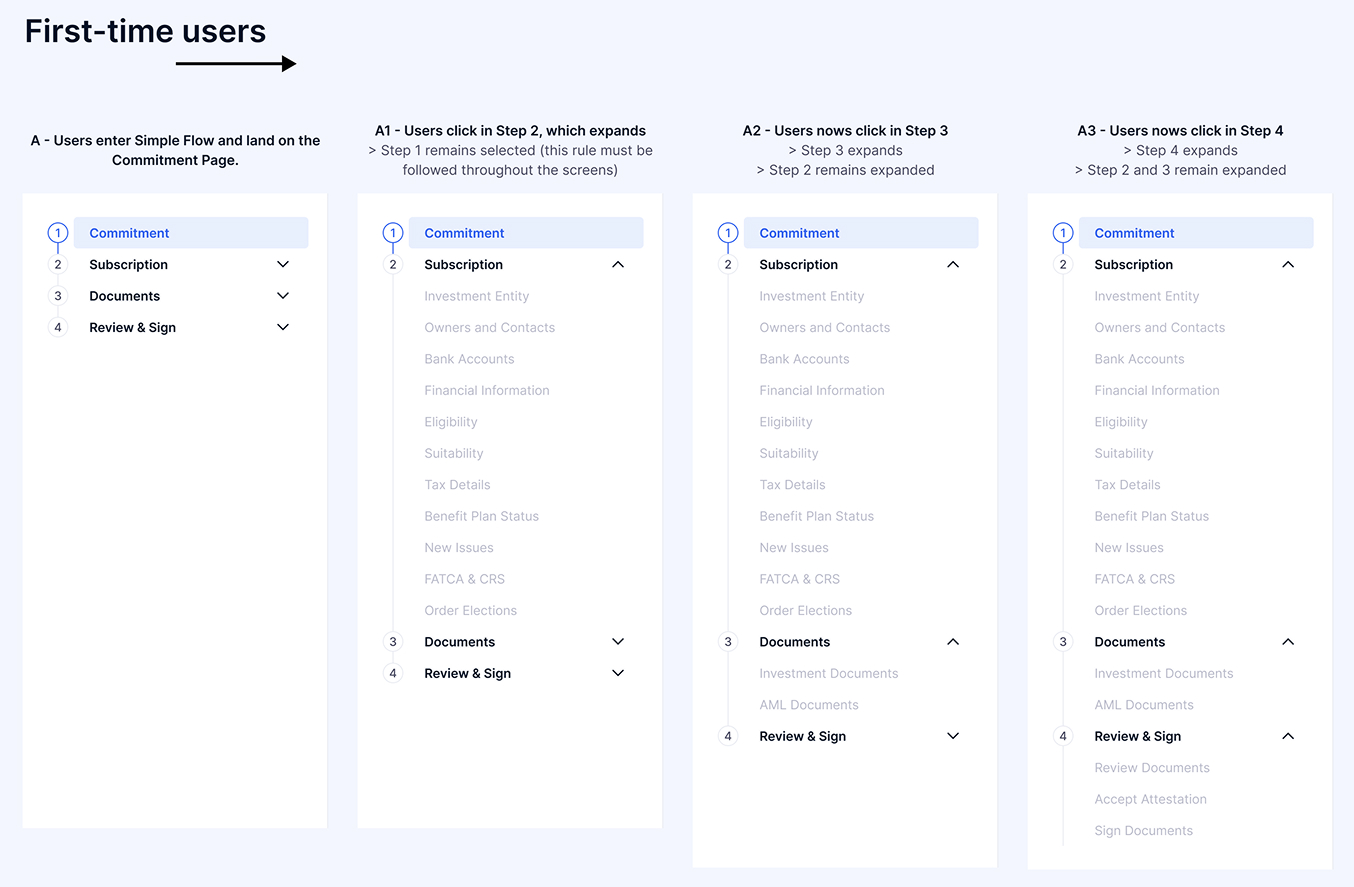
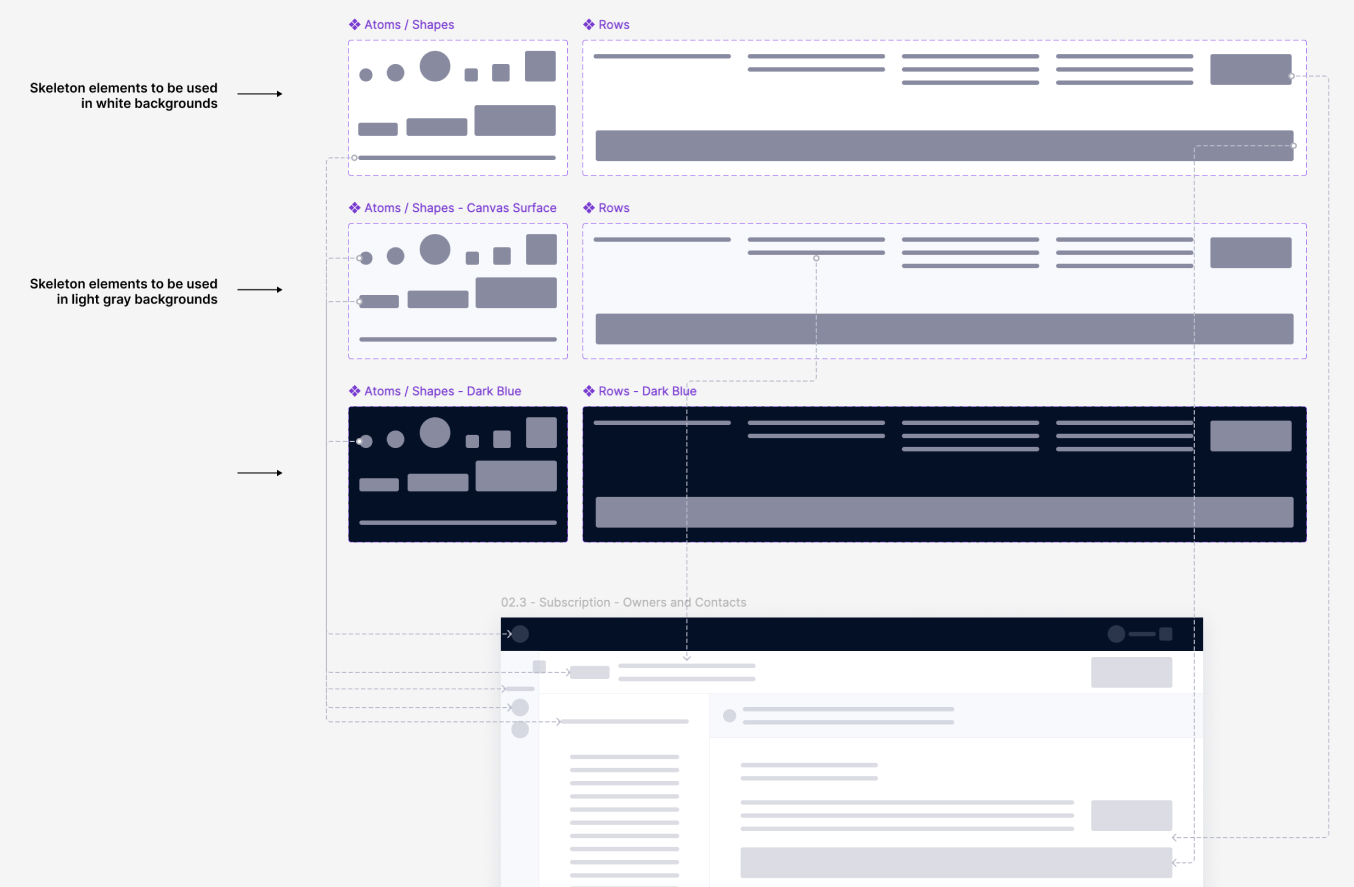
This journey represents how design and engineering teams interacted with the product before and after the Design System was introduced. It maps the evolution from fragmented, inconsistent interfaces to a structured, scalable, and governed system — highlighting how workflows, decision-making, development speed, and UI quality improved over time.
UX/UI Design .
Year of 2025
The project itself
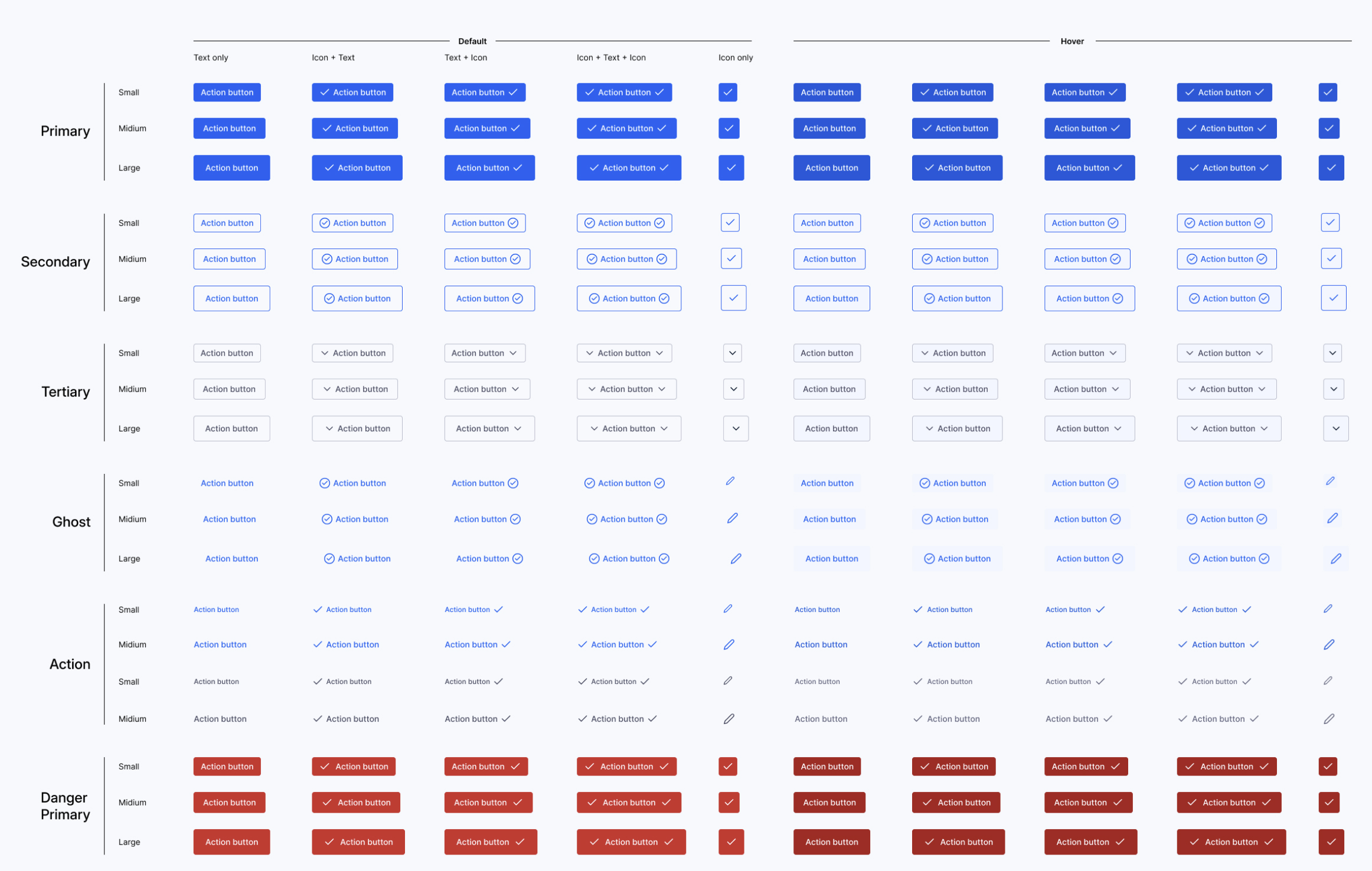
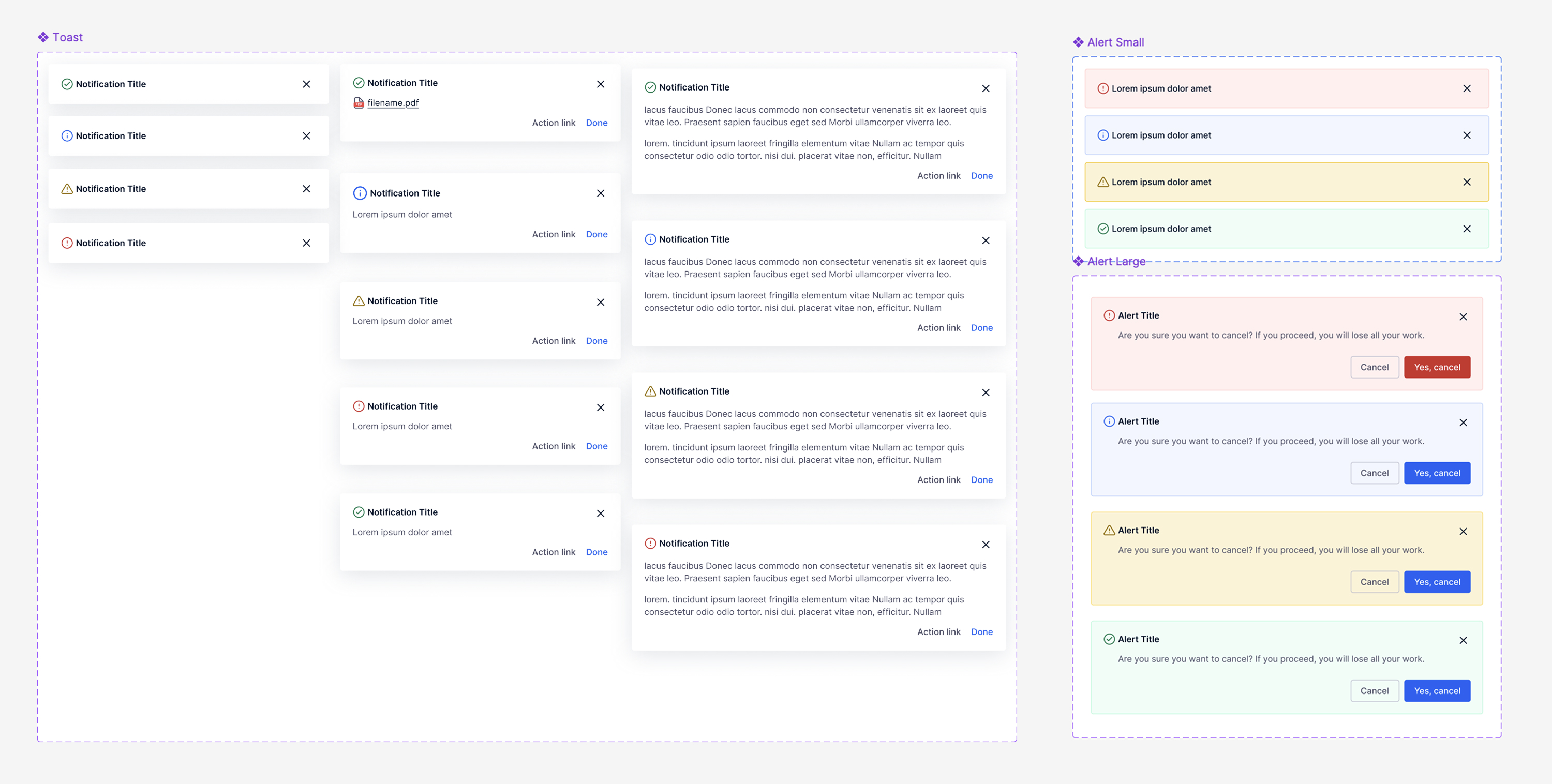
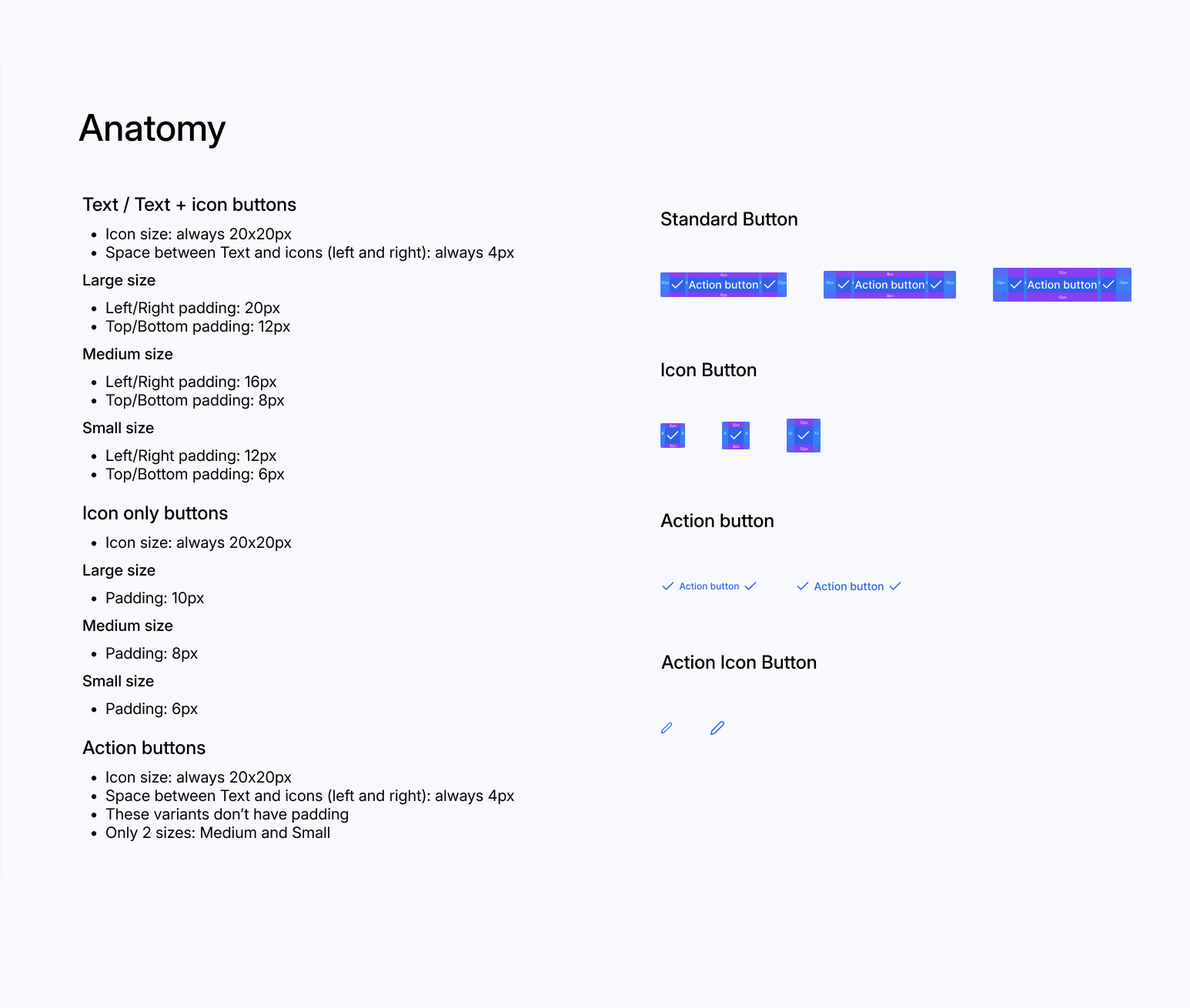
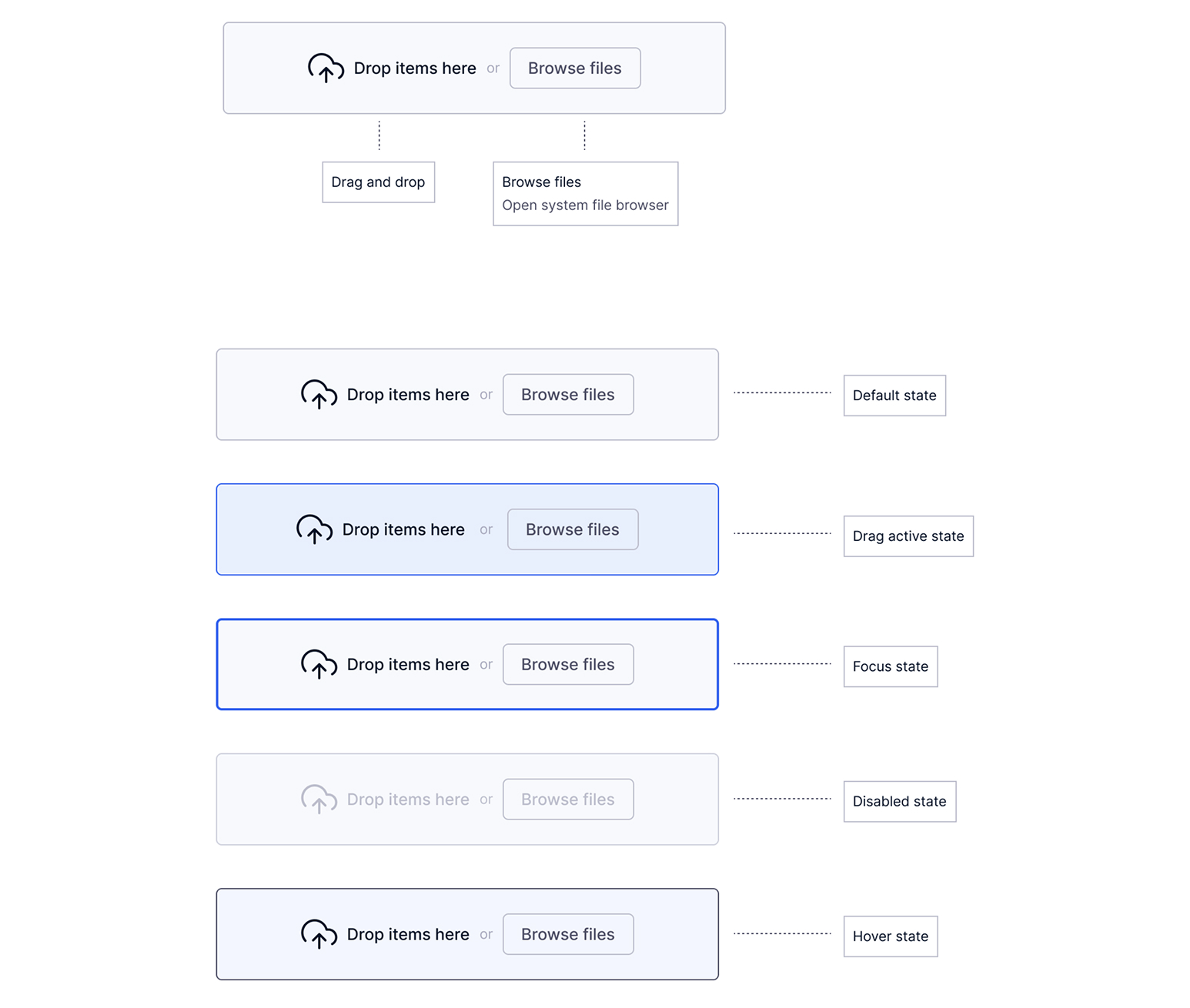
When I joined the company, my first project was to initiate the development of the company’s Design System, which at that time struggled with quality and consistency. The first step was to deeply understand the entire platform and map all existing inconsistencies, as well as identify what needed to be improved from a visual and usability standpoint. Many components were visually weak and lacked proper standards. Working closely with the front-end team, we rebuilt key components to be consistent, scalable, and designed to handle all usage scenarios. Consistency, accessibility, and intelligent control of variables (such as colors and spacing) guided the process that took the Design System from zero to its first V1, making it ready to be implemented across the company’s products.
The company’s product ecosystem had grown without a centralized Design System, resulting in visual inconsistency, duplicated components, accessibility gaps, and fragmented interface standards. Each new feature introduced additional variations, making the product harder to scale, maintain, and evolve. The lack of a unified system also increased development effort and reduced overall product quality.
Design and implement a scalable Design System that centralizes visual and interaction standards into a single source of truth. The system should ensure visual consistency, accessibility compliance, and intelligent control of variables such as colors, spacing, typography, and component states — enabling faster development, improved product quality, and a cohesive user experience across all company products.
UI patterns, components, and styles were inconsistent across different products and features, leading to duplicated solutions, visual discrepancies, and unpredictable user experiences.
Components were often recreated from scratch, with no standardized structure or usage rules, increasing development time, technical debt, and maintenance complexity.
Many interfaces lacked accessibility standards and scalable design tokens, making it difficult to maintain color contrast, spacing consistency, responsive behavior, and long-term system evolution.
Diagnosis
An audit of the platform revealed duplicated components, inconsistent spacing and typography, hard-coded colors, missing accessibility states, and multiple visual interpretations of the same interactions. This diagnosis confirmed that the product had evolved without a system layer, creating long-term scalability and maintenance risks.
Before the components
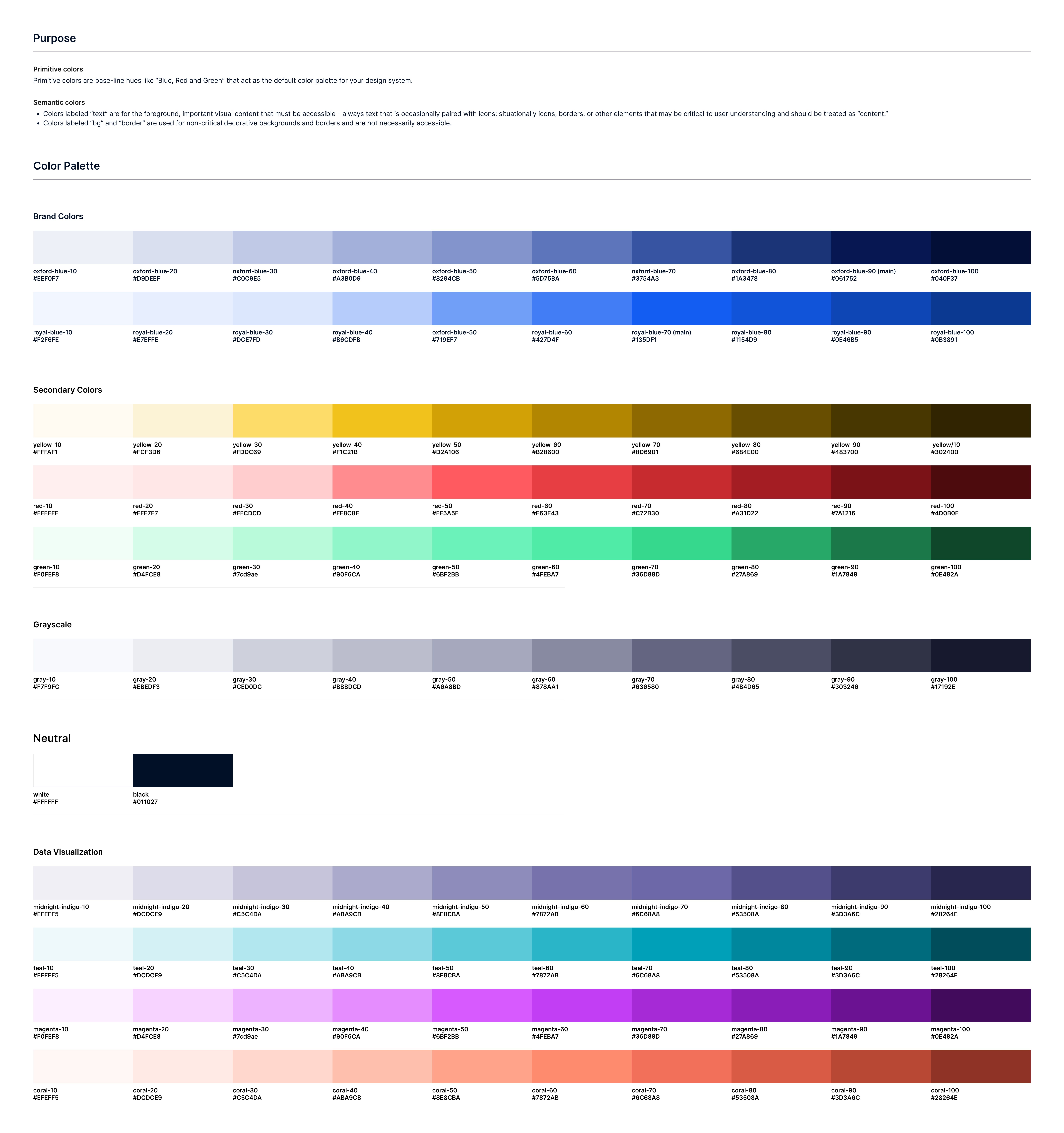
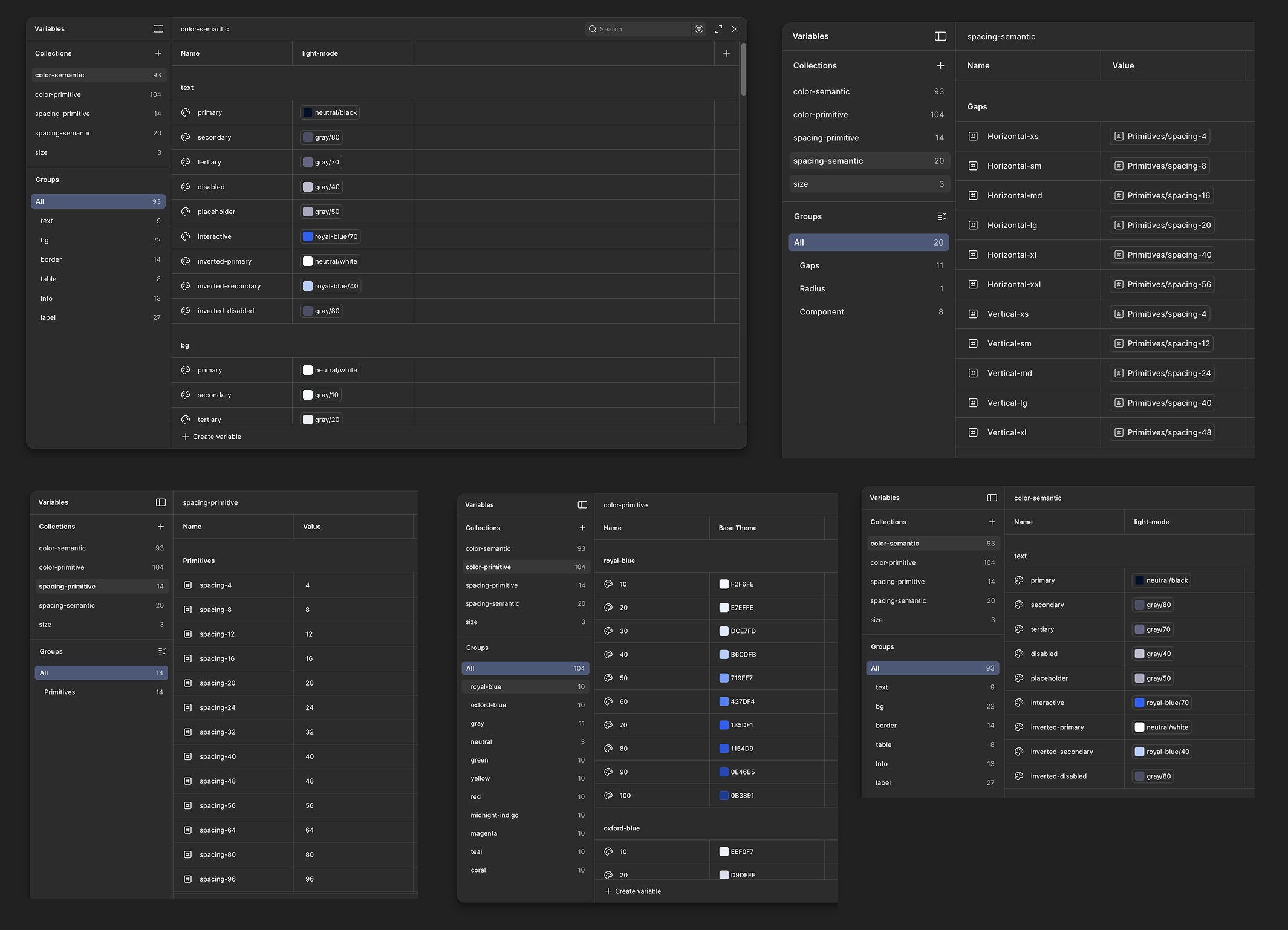
The strategy was to build the Design System from foundations first — defining color, spacing, typography, layout rules, and accessibility standards — before creating components. This approach ensured that every component would be built on top of a predictable, scalable, and maintainable token architecture.
Architecture
The system was structured into foundations, components, patterns, and governance rules. Design tokens controlled colors, spacing, typography, border radii, and states, enabling global updates, accessibility control, and visual consistency across all products.


What can be used as learning
Now, finally, it remained to pay attention to several takeaways and plan some further steps.
Without a Design System, product quality degrades silently over time. This project showed how quickly inconsistencies, duplicated components, and accessibility gaps accumulate — and how a structured system immediately improves predictability, usability, and development speed.
Building a Design System is more about system thinking and governance than UI creation. Clear token architecture, naming conventions, and design–dev parity are essential to keep products scalable, accessible, and consistent in the long term.
Future improvements include expanding the component library, formalizing contribution guidelines, adding versioning policies, and implementing automated visual regression checks to maintain system integrity as the product evolves.